FACTUAL NEW ZEALAND WILDLIFE PLATFORM

Discover the Real Wildlife of Aotearoa New Zealand.

Wildly Kiwi brings you clear, science-backed facts about New Zealand's unique animals and habitats—from giant native freshwater eels and whitebait streams to alpine parrots and conservation science.

Featured Wildlife Spotlight At Risk – Declining
NZ Longfin Eel
Watch Short

NZ Longfin Eel (Tuna Kuwharuwharu)

Length
Up to 2 Metres
Lifespan
60–100 Years
Habitat
NZ Rivers

Found only in New Zealand, the Longfin Eel is our largest native freshwater predator. It spends decades in inland rivers before swimming 5,000 km to the tropics to breed once at the very end of its life.

See All Freshwater Facts →
Browse by Category

Explore New Zealand Wildlife by Habitat

Choose a habitat below to open its dedicated fact page with clear species cards and quick statistics.

Wildly Kiwi YouTube

Latest Wildlife Videos & Shorts

View All 5 Videos →
Science & Conservation

Why Does New Zealand Eradicate Rooks & Control Predators?

New Zealand's wildlife evolved for 80 million years without land mammals like stoats, rats, or possums. Read our clear, unbiased guides on pest control, 1080 science, and stream protection.

FRESHWATER HABITATS

New Zealand Freshwater Facts

Most of New Zealand's native freshwater fish and invertebrates are secretive night-time hunters. Over 70% are classified as Threatened or At Risk, making clean, shaded streams essential for their survival.

Showing 4 Core Freshwater Species Modules
Habitat Guide

4 Things Every Healthy NZ Stream Needs

Native fish like Īnanga and Longfin Eels rely on four simple physical conditions to thrive:

1

Streamside Shade

Overhanging native trees, flax, and grasses keep summer water temperatures cool (below 20°C) and give Īnanga damp grass to lay their eggs in autumn.

2

Clear Fish Passage

Many native fish migrate between the sea and rivers. Steep, overhanging road culverts can block non-climbing fish like Īnanga unless ramps or baffles are fitted.

3

Clean Rocky Beds

Kōura (crayfish) and juvenile fish hide between cobbles and sunken logs during the day. Fencing livestock out of streams prevents mud from smothering these spaces.

4

High Oxygen Levels

Flowing riffles and cool water hold plenty of dissolved oxygen, supporting mayflies, caddisflies, and sensitive native species.

FOREST & ALPINE WILDLIFE

Birds & Land Wildlife Facts

Isolated from the rest of the world for 80 million years, New Zealand's birds and reptiles evolved to fill the roles usually taken by mammals—resulting in flightless nocturnal giants and alpine parrots.

Showing 5 Iconic Land & Avian Species Modules
COASTAL & OCEAN WILDLIFE

New Zealand Marine Facts

With over 15,000 kilometres of coastline, Aotearoa is a global hotspot for whales, endemic coastal dolphins, fur seals, and the world's smallest penguin.

Showing 4 Coastal & Marine Species Modules

Giving Coastal Wildlife Space (DOC Guidelines)

All seals, dolphins, and whales are protected under New Zealand law. Always follow these simple distances:

20 Metres
Fur Seals on Beaches & Rocks

Stay at least 20m back, keep dogs on a lead, and never walk between a seal and the sea.

50m – 200m
Dolphins, Orca & Whales at Sea

Boats must stay at no-wake speed within 300m, keeping 50m from Orca and 200m from large whales.

150 Metres
Minimum Drone Distance

Drones must not fly closer than 150m horizontally from any marine mammal without a permit.

SCIENCE & BIOSECURITY

Conservation & Pest Control Facts

Clear, evidence-based explanations of the biggest conservation topics covered on the Wildly Kiwi YouTube channel.

Biosecurity Module 01

Why New Zealand Is Trying to Eradicate Rooks

Introduced from Europe in the 1860s, Rooks (Corvus frugilegus) form large flocks that destroy newly planted crops and tear up pasture across New Zealand farmland.
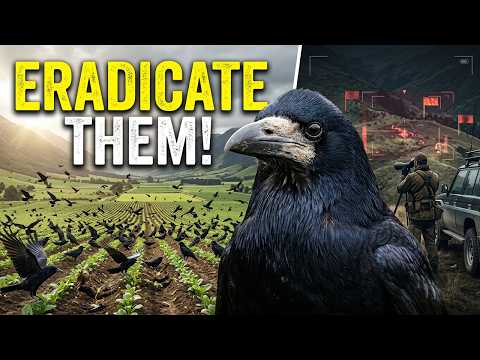
Why New Zealand Is Trying to Eradicate Rooks
Watch Episode (5:46)
Introduced
1862 – 1874
Brought from Europe by early Acclimatisation Societies.
Main Impact
Crop Damage
Uproots newly sown maize, peas, cereals, and pasture turf.
Golden Rule
Report, Don't Shoot
Shooting scatters wary rooks into new hidden colonies.

How to Spot a Rook: Adult Rooks are large glossy-black birds in the crow family with a distinctive patch of bare, greyish-white skin around the base of their heavy bill.

Why Reporting Works Best: Rooks are highly intelligent. When shot at, survivors abandon their treetop rookery and split into multiple new breeding colonies across neighbouring districts. Regional council biosecurity teams ask the public to report sightings so nests can be treated professionally in spring.

Conservation Module 02

1080 in New Zealand: The Science Behind Predator Control

Why does New Zealand use biodegradable 1080 (sodium fluoroacetate) in remote forests? Here are the key facts from field monitoring.

1080 Poison in New Zealand
Watch Documentary (9:45)
Target Pests
Possums, Rats, Stoats
Introduced mammals that eat native bird eggs and chicks.
In Water & Soil
Biodegradable
Water-soluble and broken down by natural soil microbes.
Kiwi Chick Survival
Up to 5x Higher
In areas where stoat and rat numbers are knocked down.

Why Beech Mast Years Matter: Every few years, native beech and rimu trees produce massive amounts of seed ("masting"). This triggers an explosion of millions of rats, followed immediately by a plague of stoats that can wipe out up to 95% of wild kiwi chicks in untreated areas.

How It Works Alongside Ground Trapping: Ground traps are used across accessible reserves, while aerial operations are used in rugged, roadless mountain ranges where setting traps every 50 metres is physically impossible.

OFFICIAL YOUTUBE UPLOADS

Wildly Kiwi Videos

Watch our full documentaries and short field guides exploring New Zealand's wildlife, freshwater streams, and conservation science.

Subscribe on YouTube